Author: admin

  • A Guide to Running With a Gun

    A Guide to Running With a Gun

    Running is a great way to get some exercise and relieve stress, but it’s not always the safest activity. What if you’re out for a jog and find yourself in danger?

    It’s essential to be careful when you’re out jogging, especially if you’re alone. You may feel safe in your neighborhood, but that doesn’t mean something terrible can’t happen.

    If you have a concealed carry permit, you can protect yourself by taking your firearm on runs. A concealed carry permit allows you to carry your weapon safely and legally in public places where guns are prohibited.

    Whether it’s an angry dog or a violent human who wants to hurt you, running with a gun could save your life in an emergency.

    This article will go over the basics of running while carrying a firearm.

    Why Should You Run With a Firearm?
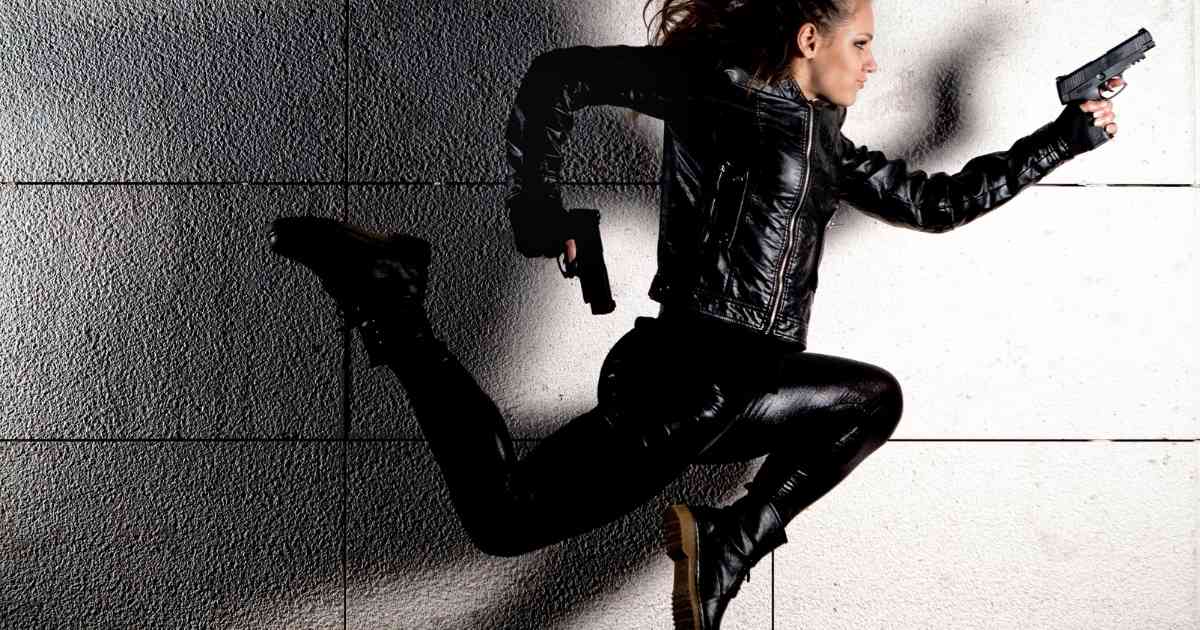
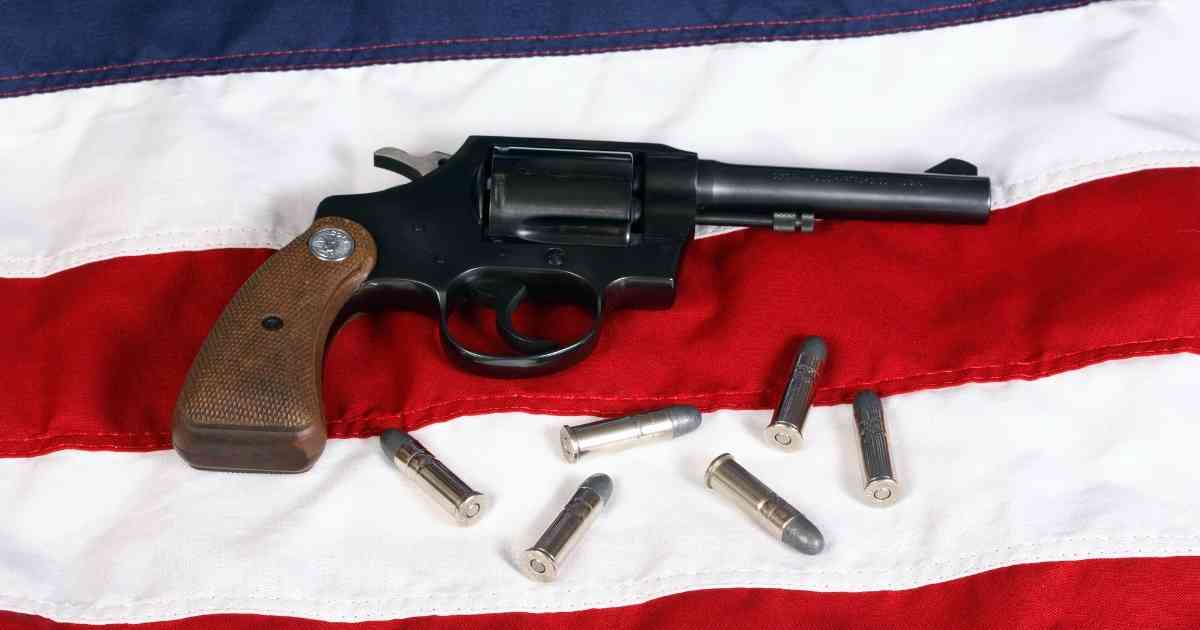
    running with a gun

    The running community has been rocked in the past few years by a series of attacks against runners. Several high-profile cases have hit the news, and it seems like every time you turn around, there’s another story about someone getting attacked while out on the run.

    The issue is especially concerning for female runners because they comprise a large percentage of those who have been attacked. 

    In a recent Runner’s World report, more than half of female joggers under 30 reported experiencing harassment, often sexual. In addition, a 52-year-old woman was mauled to death by a pack of aggressive neighborhood dogs on the loose.

    The statistics don’t lie. In light of these startling incidents, many people wonder whether they should continue their morning runs or give them up altogether. 

    While it is impossible to eliminate the risk of injury during exercise, you can take some steps to reduce your chances of being targeted by criminals and other dangerous individuals. 

    One simple way is to carry a firearm with you when you go out for a run.

    Here are some reasons why jogging with a concealed weapon is worth considering:

    1. Running with a gun is an excellent way to protect yourself from animals like dogs or bears that might attack you while you’re out.
    2. You can use your gun to defend yourself against other people who might try to hurt you on the run, such as muggers or kidnappers.
    3. You can defend others who may need help during an animal or human assailant attack.

    Why Regular Gun Holsters are a Bad Choice for Running Armed
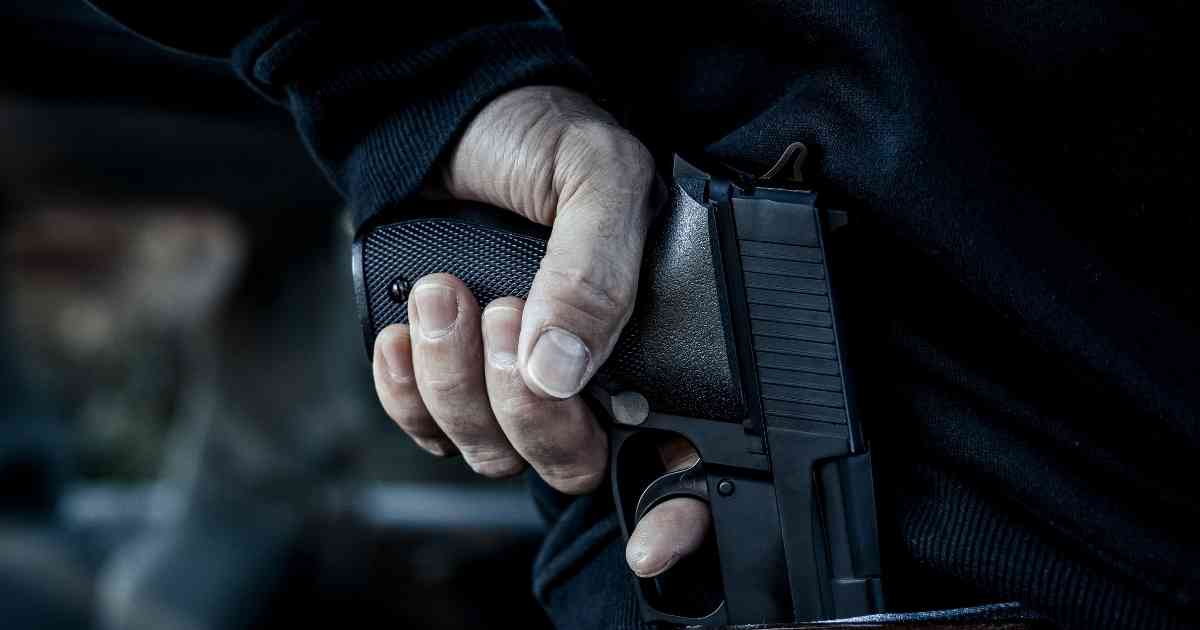
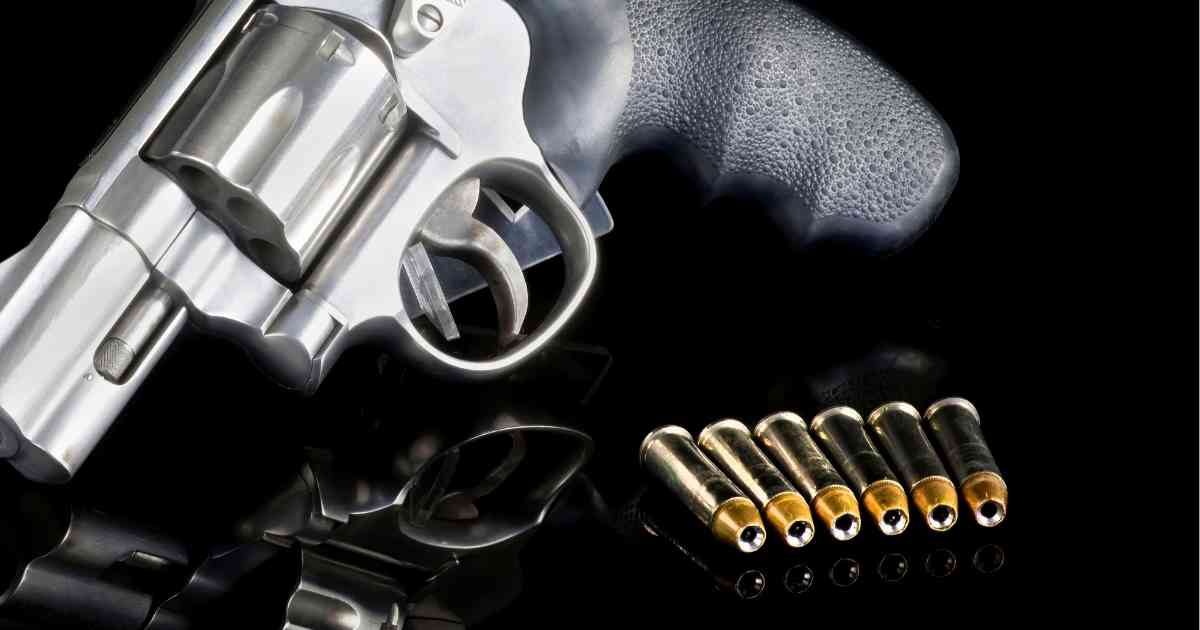
    running with gun

    If you’re a runner, you know the right equipment can make all the difference between an exhilarating run and a miserable slog. 

    So what happens when you add a traditional holster to your running gear? Let’s find out!

    A Traditional Ankle Hostler Will Put Extra Weight on Your Foot

    Adding some weight to your ankles while jogging will slow you down and be a big distraction. And that is not the only problem with ankle holsters.

    While ankle holsters are a popular option for many people, they’re not the best for runners who want a secure way to carry firearms.

    First, ankle holsters are often uncomfortable to run in. They can rub against your leg and cause chafing. Thus, it will be hard to focus on running without worrying about the pain in your ankles.

    Second, ankle holsters can be difficult to access while running because you have to bend down to draw your weapon. Most importantly, If you prefer running shorts instead of pants, ankle holsters may not be your best bet as you won’t be able to conceal them.

    Note: A trigger guard is a must-have in gun holsters. If your holster fails to adequately protect the trigger guard, it can lead to an accidental discharge.

    A Traditional IWB Holster Will Pull Your Running Shorts Down

    Most athletic shorts are stitched with breathable fabric and a stretchy waistband to keep you comfortable. Unfortunately, no matter how light your pistol is, it’s bound to pull your pants down the second you take off running. 

    Traditional holsters are great for walking around but not so much for running. They can be bulky and uncomfortable when you move at high speeds. They also don’t give you much freedom of movement — you may feel restricted by them as soon as you start running.

    A traditional holster can badly hinder your stride. It may also make it hard to draw your weapon quickly, which could be deadly in a self-defense situation. When you run with a traditional holster on your hip, your stride is thrown off by the weight of the gun pulling down on one side.

    As a result, you’ll likely shift and adjust the weight of your gun throughout your run. If you have to run after a mugger or chase down a suspect, the weight imbalance could put you at a disadvantage.

    You might also be tempted to dump some of your ammo to reduce the overall weight you have to carry. We get it! But we don’t recommend it. 

    It’s never a good idea to sacrifice safety for convenience, especially when you carry a gun. Some day you might need every single one of those bullets for self-defense. So make sure you have enough ammo before heading out into the wilderness!

    On a side note, try Warfytr Liberty Holster if you’re hell-bent on jogging with an IWB holster. You can attach your gun to your sportswear at any angle and lock it into place. This unique design allows for easy movement and functionality, even during high-impact activities like running and exercising. 

    The Four Best Ways to Carry Your Gun While Running
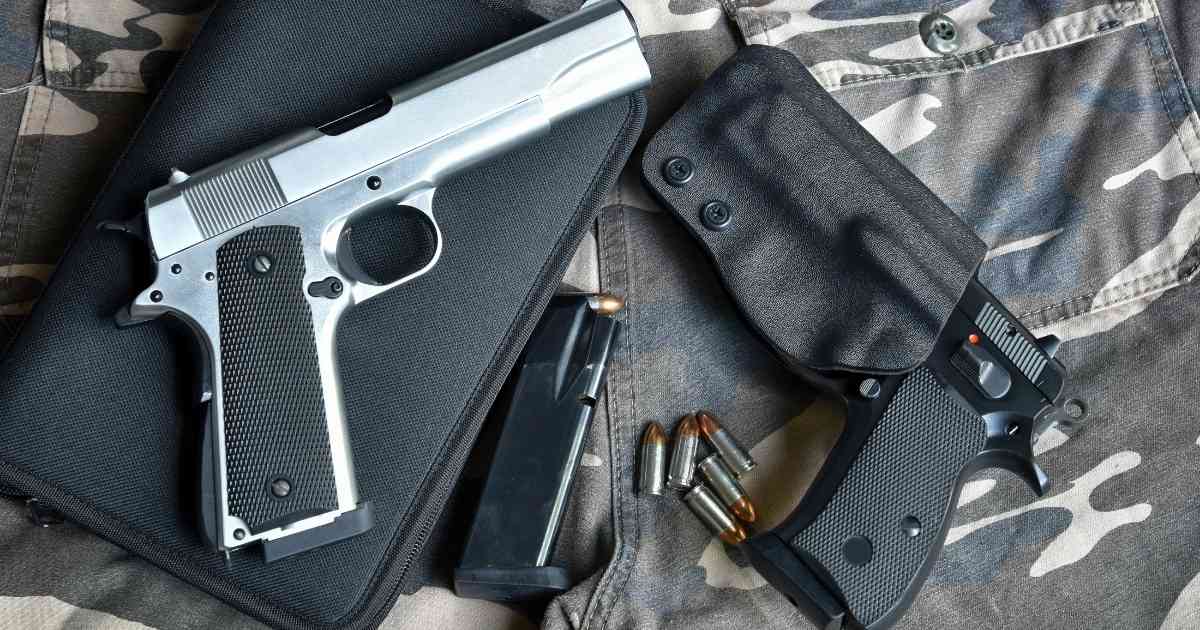
    running with a gun

    What’s the best way to carry your gun while running? We’ve got four great suggestions for you!

    1. Funny Packs

    If you’re a member of the “fanny pack” camp, chances are you’ve had to deal with some pretty funny jokes about your choice of bag. But don’t let those jokes get to you!

    But if you do want to take the joke in stride, here are some ways to deal with it:

    • Just laugh it off. Giggling is good for your health.
    • Wear a fanny pack that matches your running outfit. Although most people prefer a plain black pack, colorful options may spice things up for you.

    2. Chest Packs

    The chest holster is the ideal carry for any wannabe action hero. It clips to your chest and holds your gun securely like a baby in a sling. Moreover, chest packs have straps that go around your shoulders and back. 

    They also include roomy pockets to hold small items like keys or credit cards. 

    But if you’re wearing a waist or chest pack, you can’t avoid fiddling with straps and buckles before you can reach for your gun. Additionally, you may have trouble keeping the weight centered over your hips or shoulders if you’re not used to wearing one of these packs.

    Practice wearing your pack for familiarity when you’re in the field. You should be able to draw your firearm quickly, so get accustomed to those movements before an emergency arises. Again, building muscle memory is vital here!

    3. Belly Bands

    The belly band holster is designed to hold the gun snugly against your side, keeping it out of sight and secure. Belly bands are comfortable and easy to use, making them a popular choice for runners who want to carry their guns while exercising.

    4. Concealment Shorts

    While there are several ways to conceal a gun during a run, none are as effective as concealment shorts. Concealment shorts hide your weapon from prying eyes. 

    Concealment shorts are more comfortable and less restrictive than a holster, but they still allow you to reach your gun quickly if needed.

    They have pockets built right into them that hold your weapon in place and keep it from bouncing around as you run. These pockets are also made of stretchy material to accommodate any size pistol — even those with extended clips!

    Why You Should Take a Concealed Carry Class Before Running With a Gun

    You should be proficient in drawing your firearm and firing it before going for a run with one. If you aren’t sure what this entails, you can find online resources to learn proper safety and handling procedures for firearms. 

    For instance, a concealed carry class will teach you how to safely and effectively use your revolver in different situations, from self-defense to hunting. In addition, you’ll learn the laws surrounding the use of firearms and how they apply to you as an individual.

    Conclusion

    So there you have it, folks. We hope this guide has helped you learn how to run with a gun and feel more confident about your safety when you’re on the road.

    Don’t let the fear of being attacked stop you from running — just know you can take steps to keep yourself safe from harm. Running with a gun is one way to be sure you’re prepared to defend yourself. 

    And remember: the best way to learn how to jog with a concealed weapon is through hands-on training and experience!
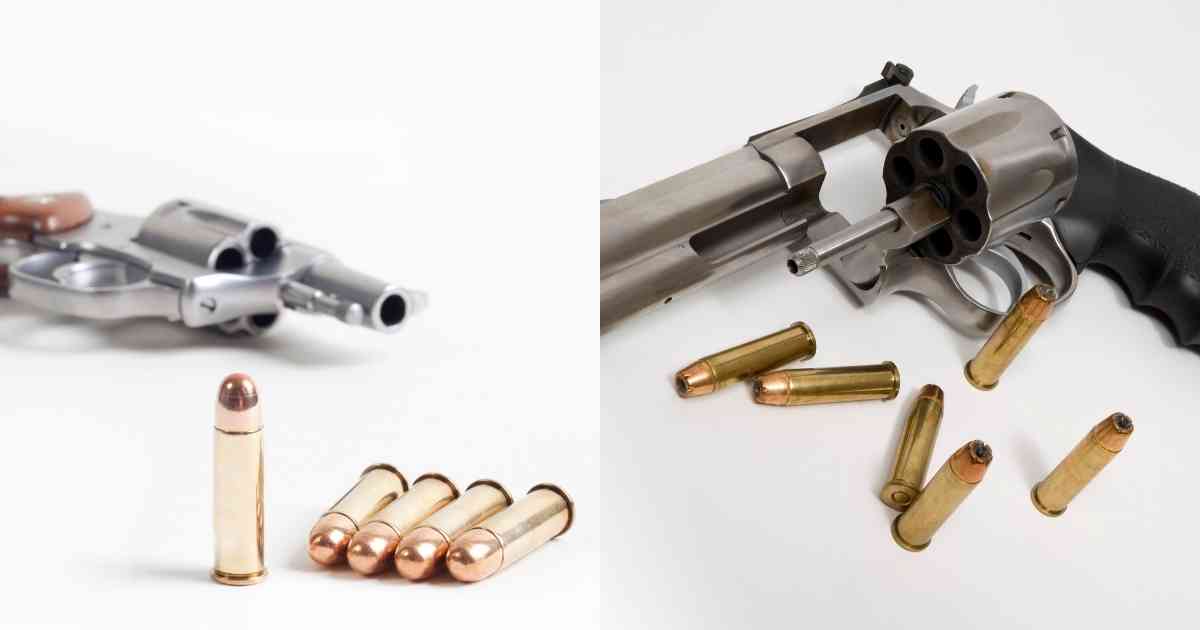
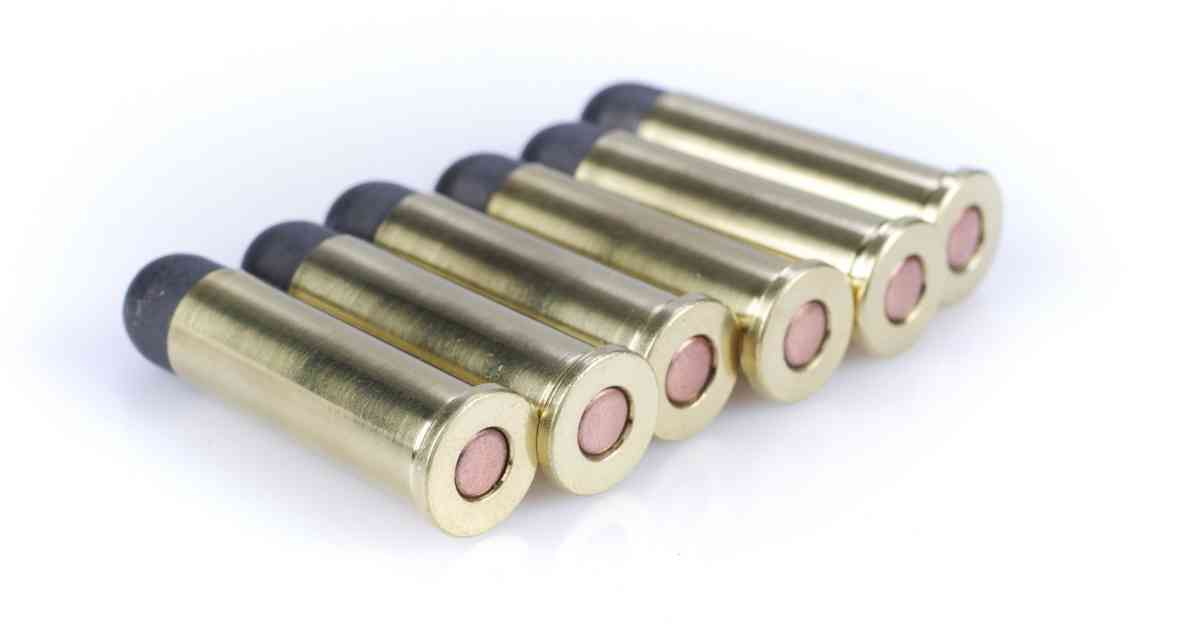
  • 38 Super vs. 357 SIG: Which One Should You Buy?

    38 Super vs. 357 SIG: Which One Should You Buy?

    In the shooting world, there’s no question that the 38 Super and 357 Sig are two of the most popular types of ammo. They excel in a variety of firearms and can be used interchangeably in many cases.

    38 Super vs. 357 Sig: Which is better? How to know which one is right for you? We will look at the major differences between these two rounds and how they stack up against one another.

    Let’s start with the basics. 

    What is the .38 Super?

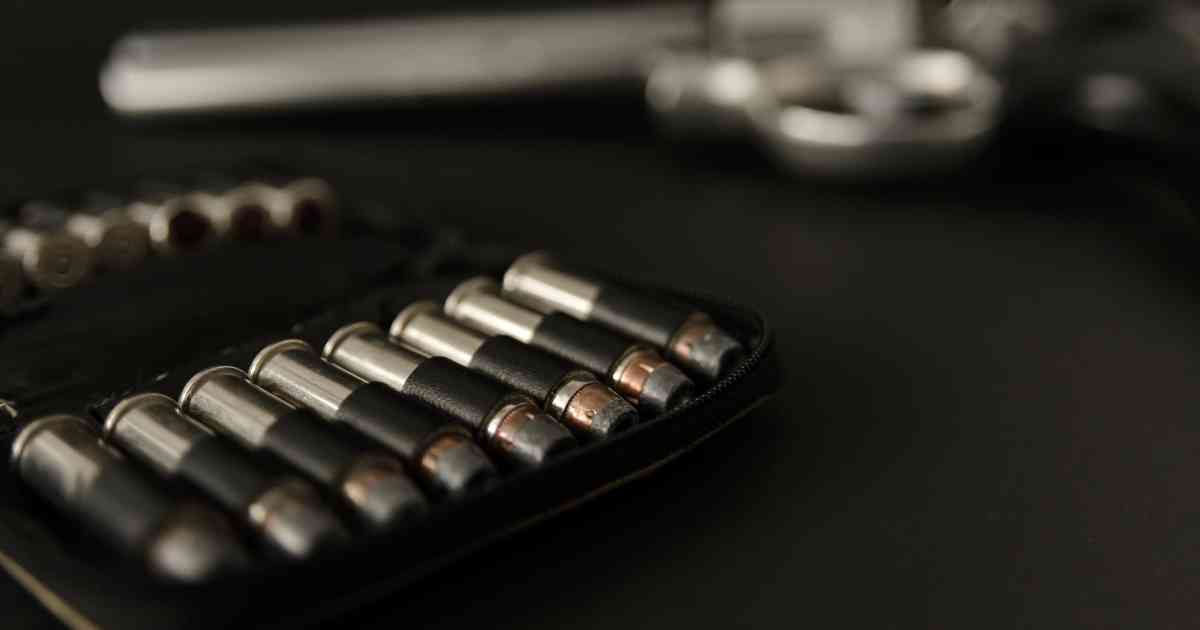
    38 super vs 357 sig

    The .38 Super is a pistol cartridge created in the late 1920s by Colt. The cartridge was designed for the M1911 pistol, a modified version of the Colt 1911 handgun.

    The .38 Super (also called .38 Super Auto) was developed to fill the need for a pistol round that could work with the 1911 design but would have higher velocity and better performance than the .45 ACP cartridge.

    If you’re looking for a ballistic twin to the .45 ACP, look no further than the .38 Super. The .38 Super was designed to have similar ballistics to the .45 ACP but with lower recoil and higher magazine capacity. Specifically, the magazine capacity of .38 Super is 15 rounds.

    Although other cartridges have eclipsed the .38 Super, it remains popular with competitive gun owners for self-defense purposes.

    What Does the .38 Super Fire?

    The .38 Super ammo fires a 9.04 mm bullet. Its older model, the .38 ACP, fires a 130-grain bullet. 

    The .38 auto propels a 0.356″ diameter bullet at high muzzle velocities.

    What is the Firing Speed of the .38 Super?

    .38 super pistol

    .38 Super fires at an incredible speed of 390.1 m/s. It’s much faster than its ancestor, the .38 ACP, which fires at a decent speed of 320 m/s. The .38 Super delivers incredible knockdown power due to its velocity and is suitable for short-range target shooting.

    If you want an accurate and powerful round, you can’t go wrong with .38 Super.

    Why Does the .38 Super Have Such a Low Recoil?

    While the .38 Super isn’t as popular as other handgun calibers, it shoots with deadly accuracy and low recoil.

    The pressure limit for .38 Super Auto is around 36,500 psi. Since it operates at high chamber pressure, a compensator will counteract recoil. That’s because the compensator, or muzzle brake, diverts the gas pressure when it reaches the muzzle. 

    With more gas volume, the compensator becomes more effective at reducing recoil. 

    The .38 Super can be a great choice if you have small hands because of its smaller grip size. Accurate grip size is essential to avoid hand fatigue and shoot precisely. 

    A Quick Word on the .38 Super’s Design

    The .38 Super is a straight wall case specifically designed for the 1911 frame. However, double-stack magazines may encounter feeding problems due to rim-lock caused by the cartridge’s semi-rimmed case.

    Uses of the .38 Super 

    The .38 Super is a semi-auto round that could penetrate the bodies of automobiles. It’s a big boy amongst powerful handgun cartridges and is popular in action shooting sports such as IPSC and USPSA.

    Initially, the .38 Super was very common in the police sector. Armed peace officers used the cartridges in handguns. The .38 Super Caliber was then regularly found with FBI personnel. 

    Even now, it’s a good option for personal defense, thanks to its deep penetration and effective range. Shooting lovers enjoy this caliber because of its lightweight body and lower recoil.

    This effective cartridge is particularly popular in countries where military cartridges are banned for the civilian population.

    Why is the .38 Super Still Relevant?

    The .38 Super is one of the industry’s most efficient, powerful, and versatile cartridges because of its shooting velocity and lower recoil. As a result, it’s ideal for casual plinking, state and national-level competitions, personal defense, and police duty.

    Even though most users prefer 9mm cartridges, the .38 Super is still relevant in shooting circles, sporting competitions, etc. 

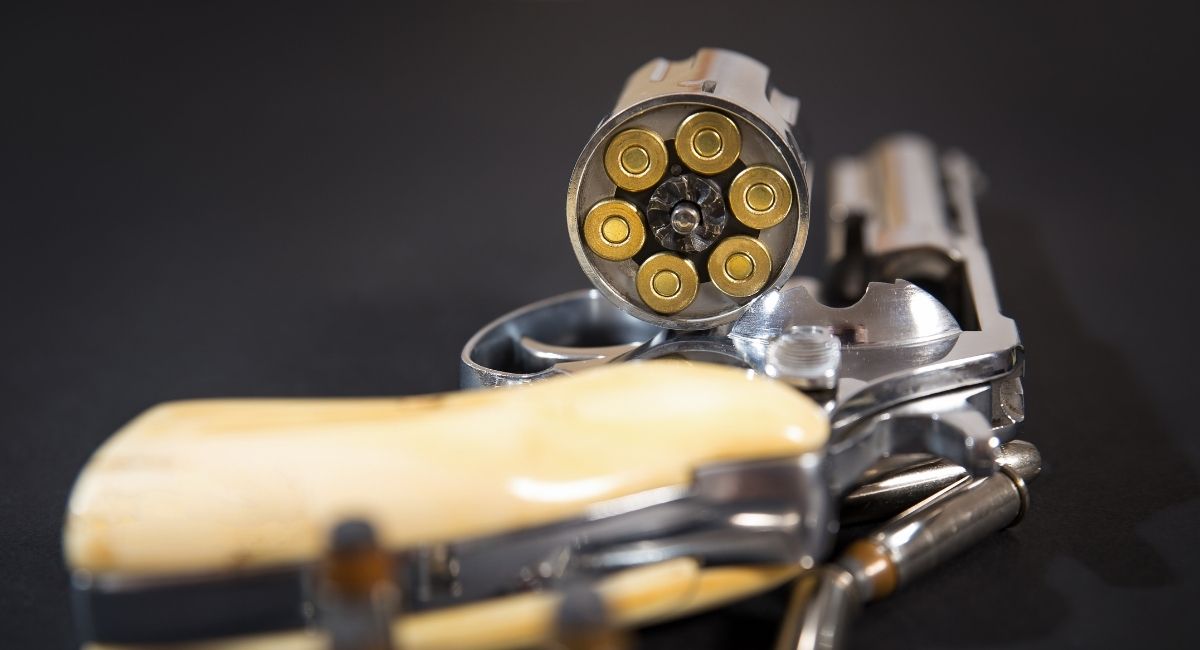
    What is the .357 Sig?

    38 super vs 357 sig

    The .357 SIG is a bottlenecked rimless cartridge for centerfire handguns. It comes from the Swiss-German weapon manufacturer SIG Sauer.

    The .357 SIG is a relatively new design — just 27 years old. Moreover, it was the first commercially used bottleneck cartridge. 

    Although the .357 SIG was a strong contender, it never achieved popularity and commercial significance after its introduction in 1994. That’s because it was twice as expensive as a 9mm bullet which was already popular with commercial and professional shooters.

    Law enforcement agencies are still partial to the .357 SIG as it offers a high muzzle velocity and powerful cartridge.

    What is the .357 SIG Bullet Weight?

    According to the bullet type, the .357 SIG proprietary cartridges have varying weights. Here is a quick rundown:

    • Double-tap bonded defense weighs 7 grams for 115 grains and 10 grams for 147 grains
    • Double-tap FMJFP match weighs 8 grams for 125 grains and 10 grams for 147 grains. 

    The .357 SIG bullet diameter is about 0.355-0.356.”

    Who Should Use the .357 SIG?

    The .357 SIG has an intense recoil that can cause problems for those who aren’t used to using it. Also, if you don’t want any issues reloading your weapon during an emergency, then it’s probably best to avoid this gun. But if you aren’t a beginner-level shooter and want to add some spice to your shooting experience, go for it.

    What is the Firing Range of the .357 SIG?

    The .357 SIG’s high velocity makes it an excellent unit for longer ranges. For example, if you have a 6-inch target, you can shoot the 125 grain .357 SIG bullet from a 122-yard distance. 

    The .357 SIG has the best point-blank range among handguns and common-use pistols.  

    What is the .357 SIG Firing Speed?

    Based on the type and mass of the bullets, the firing speed of the .357 SIG can range from 410 m/s to 580 m/s. This makes it a valuable cartridge for high-end applications.

    How Strong is the .357 SIG’s Recoil?

    The .357 SIG recoil is more than the 9mm’s, generating about 9ft-lbs of recoil pressure. You’ll need to carry a larger frame pistol to balance the immense recoil pressure.

    38 Super vs. 357 SIG: How Do They Compare?

    Here is a quick comparison of some top features of .38 Super and .357 SIG:

    Firing Range

    Typically, the .38 Super manages to get a range of around 200 yards. In comparison, the .357 SIG has a range of just 122 yards. So, the .38 Super has the upper hand in terms of firing range.

    Firing Speed

    Different variants of the .357 SIG have different firing speeds. The top speed is about 580 m/s, way more than the 390 m/s from .38 Super cartridges. If speed is your thing and you’re willing to compromise accuracy and effective range, then the .357 SIG is a good option.

    Availability

    The consumer base for the .357 SIG is considerably small. That’s why the original manufacturers don’t produce these bullets anymore. As a result, they are much pricier than the .38 Super. 

    While the .38 Super is an older model, there is still a demand for this gun, and it remains in steady production. Finding a .38 Super will be easier than a .357 SIG. 

    However, .38 Super factory loads are difficult to come by. If you only rely on factory ammo, the .357 SIG has a slight edge over the .38 Super as its ammo is available in bulk.

    If you check out manufacturers like Buffalo Bore, you will find ammo for your .38 Super. It offers an impressive 38 Super +P load that fires a bullet at 1,450 fps and provides 537 ft-lbs of muzzle energy. However, be careful where you buy your defense load from, as the muzzle energy will vary from each manufacturer. 

    Recoiling Factor

    While the .357 SIG has a major advantage over other comparable pistols, the .38 Super is still the clear winner in recoil. If you can’t handle heavy recoil and muzzle blast, the .38 Super is a better option. Furthermore, the .38 Super has an edge in reliability and accuracy over the .357 Sig. 

    Design 

    The jacked case design of the .357 SIG allows it to be chambered and fed more reliably than straight wall designs like the .38 Super. 

    Conclusion

    In conclusion, the .357 SIG and .38 Super are excellent calibers, offering slightly different benefits. For instance, the .357 SIG is more powerful, while the .38 Super is more cost-effective with lower recoil. 

    So, the 38 Super vs. 357 SIG — who wins in a gunfight? Well, both will perform quite effectively, especially if the guns are high quality. It comes down to your preference in the end.

    Again, we recommend starting with the .38 Super and transitioning to the .357 SIG once you’ve had some experience with handguns.

  • Gun Guide: What Is a Single-Action Revolver?

    Gun Guide: What Is a Single-Action Revolver?

    Whether you have a shotgun, semi-automatics, a traditional double-action (TDA) weapon, or a semi-automatic pistol, there are many convincing reasons to also own a single-action revolver. Single-action handguns make a great backup weapon or concealed carry weapon. Additionally, single-action handguns need to be cocked before being fired, which enhances safety.

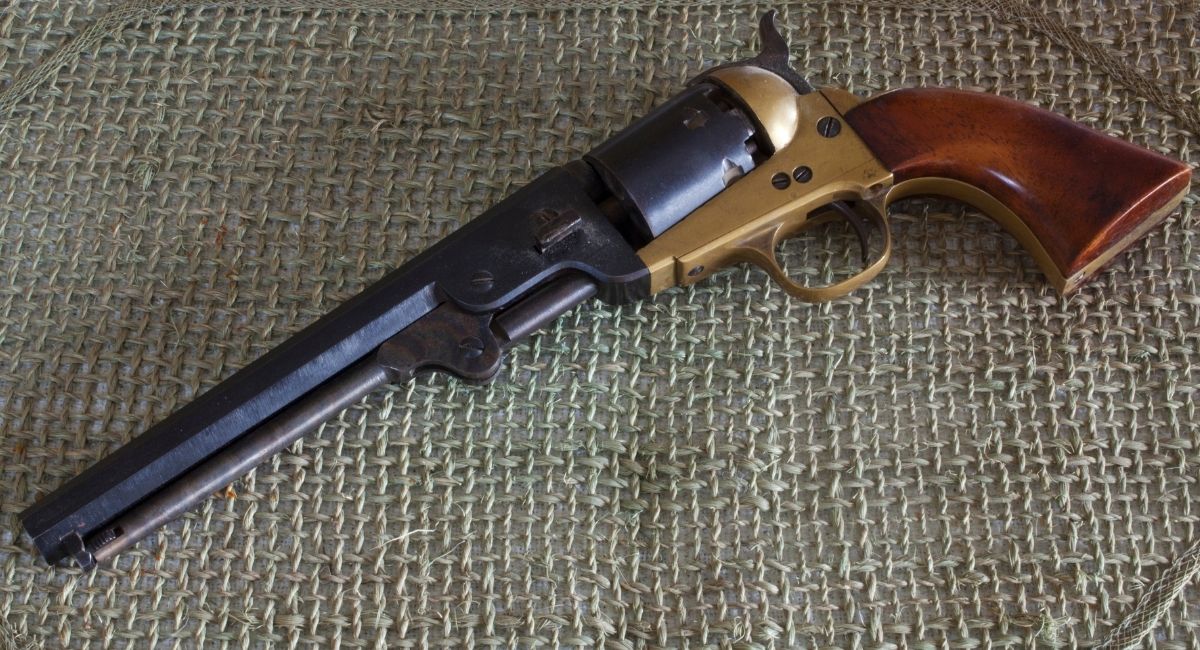
    A single-action revolver, also referred to as a single-action firearm, is a type of weapon that typically has a six-round cylinder. It also includes a firing mechanism that requires you to first cock the weapon before pulling the trigger, releasing the hammer, and setting the firing pin to hit the cartridge. These weapons are known for their lighter trigger pull and are popular for target shooting because of their higher accuracy.

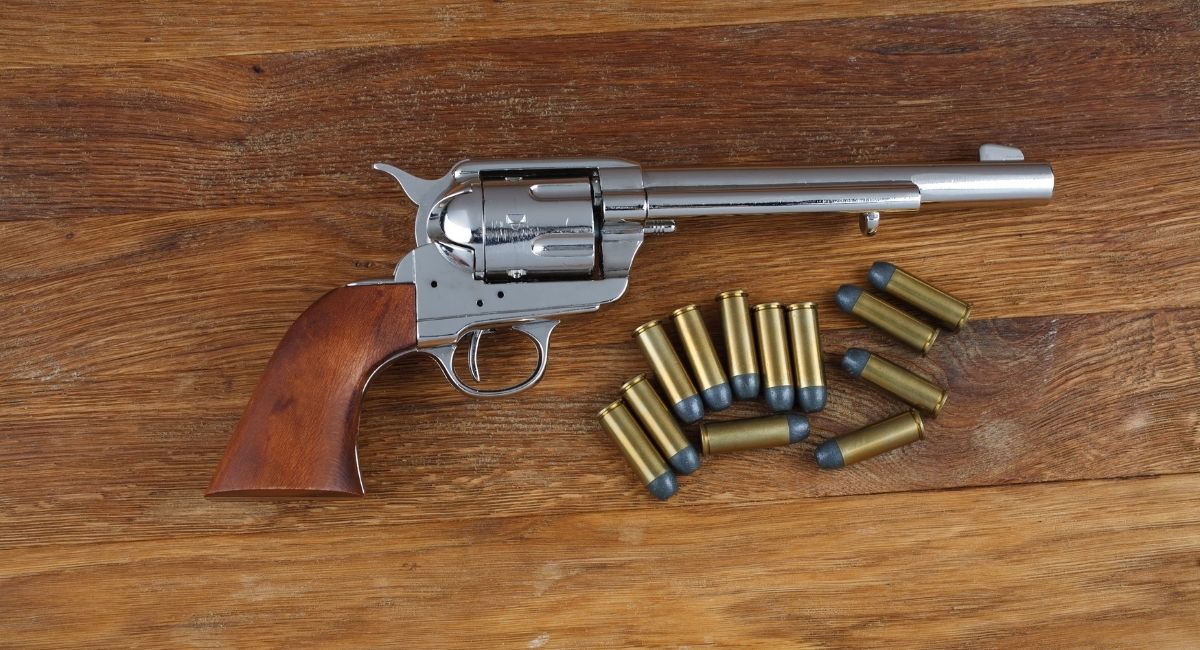
    what is a single action revolver

    How a Single-Action Revolver Works

    Firstly, a revolver is a gun with at least one barrel and a revolving cylinder with multiple chambers that each house one cartridge. When you want to fire a round, you need to cock the hammer. This will cause the cylinder to partially rotate and align the chamber and cartridge with the barrel. Then, when you pull the trigger, a bullet will be fired out of the bore.

    With a single-action revolver, you have to manually cock the hammer. Each time you fire another round, you must repeat the same process of manually cocking the hammer before firing. When you pull the trigger, a firing pin is driven into the cartridge, which detonates it and forces it out of the barrel.

    Some older revolvers have a safety feature that lets you partially pull the hammer, locking it in a loaded position without resting the firing pin on the cartridge case. However, some revolvers, like the Colt Paterson, rest the hammer on the primer and can accidentally discharge, which can be dangerous.

    Some single-shot firearms are single-action guns, but instead of a revolving cylinder, they only have a single reloadable slot.

    A single-action revolver usually has a removable pin that helps keep the cylinder in place. These weapons also have a loading gate that lets you reload ammunition into the weapon, usually on the right-hand side. You open the gate, put the hammer in an unlocked position, and then turn the cylinder to verify that each chamber is empty before reloading the gun.

    Many of these weapons have a “swing out” cylinder that allows you to check if there’s a loaded chamber and easily reload your weapon.

    Some single-action revolvers also have an ejection rod to eject any fired cartridge cases from underneath the barrel.

    Most guns with a revolver mechanism are handguns, but shotguns, rifles, and even cannons use this same principle. Semi-automatic pistols are generally more popular than revolvers. However, revolvers make an excellent backup weapon and are still used for private security, sport, and hunting purposes.

    History of the Single-Action Revolver

    In the era of single-shot weapons, a major drawback was your vulnerability to attack while you were busy reloading. That prompted the development of multi-barrelled weapons in the 16th century, like the revolver. Since then, revolvers have undergone many design changes and upgrades with quality features.

    In the 19th century, Samuel Colt registered a U.S. patent for the Colt revolver, which became widespread and used worldwide. In 1873, Colt introduced one of their most famous handgun revolver models: the Single Action Army or “Colt .45,” also known as “the Peacemaker.” This model was originally made for the U.S. Army. The weapon included six cartridges and was offered in various calibers and barrel lengths.

    Eventually, Horace Smith and Daniel B. Wesson, who formed the Smith & Wesson firearms company, patented self-contained metal and individual cartridges in the late 1800s, which were a novelty at the time. This meant that gun users no longer had to laboriously pour gunpowder into cartridges and fit caps into the cylinders.

    Since then, there have been many design reforms and improvements. Compared with the first Colt revolver, which had to be front-loaded, modern revolvers don’t need to be loaded through the muzzle, and there are also improved ejection mechanisms.

    what is a single action revolver

    Difference Between Single-Action and Double-Action Revolvers

    When discussing the pros and cons of a single-action revolver, it’s useful to understand how it compares with a double-action revolver. Below we take an in-depth look at each type of revolver and how they differ while also pointing out their pros and cons.

    What is a single-action revolver?

    A single-action revolver or “six-shooter” has a single-action trigger that requires you to cock the gun before pulling the trigger. Many of these weapons are handguns, but you can also find longer barrelled guns that work on a revolver mechanism. Many rifles, shotguns, and other weapons like grenade launchers use revolver action.

    If you’ve watched old western films, you probably noticed single-action firearms being used in duals and showdowns. A major advantage of using single-action guns is the convenience of pulling a lighter trigger that doesn’t affect the bullet’s accuracy. However, you have to cock the gun before firing, which can take time.

    Various single-action semi-automatic guns operate similar to revolvers, except that the recoil automatically cocks the hammer for the next shot after the initial shot is fired.

    Compared to double-action revolvers, the single-action revolver also has a lighter trigger pull and may be preferred by some gun owners.

    What is a double-action revolver?

    A double-action revolver performs differently from a single-action revolver. When you pull the trigger, the gun is cocked, the hammer is released, and the weapon is simultaneously fired. This happens every time that the weapon is fired.

    Double-action models don’t require you to cock your gun before firing, allowing you to draw and fire your weapon in one quick action without cocking it first. While it may make you quicker on the draw, it may be harder to squeeze the trigger. Some consider this a safety benefit, as it’s more tricky to have an accidental discharge.

    You can often use this type of weapon in single-action mode, meaning you can cock the hammer manually and wait to pull the trigger to fire the shot. However, you can also purchase double-action-only (DAO) weapons, where you can’t manually cock the hammer, and they can only be used in double-action mode.

    A double-action firearm, such as a revolver with double-action mode, is useful for working in a high-stress environment where you need to be able to draw and fire simultaneously or where a subsequent shot can be fired quickly. This is one of the reasons why many police officers often carry double-action weapons.

    However, double-action semi-automatic pistols often work by firing the first shot as a double-action and the follow-up as a single action.

    Advantages of Using a Single-Action Revolver

    Single-action revolvers are an excellent gun for anyone wanting to practice shooting and accuracy. They are also good guns for ensuring a single, purposeful shot, as you need to cock the weapon before shooting.

    But single-action revolvers have several drawbacks, making them a great backup gun but not necessarily a primary weapon. They are reliable and accurate, which is why they are so popular. They are also small enough to be used as concealed carry weapons for self-defense purposes.

    They are easier to fire than a double-action firearm, which has a tougher trigger mechanism. This makes single-action revolvers more of a safety hazard because of the potential for accidental discharge.

    Types of Single-Action Revolvers

    There are many types of single-action revolvers, and one of the most famous is the Colt Single-Action Army, which was made with different barrel lengths and calibers. Interestingly, the barrel length used by the U.S. Cavalry was around 13 inches.

    Other famous single-action revolver models include the Taurus .45 Colt, Remington Model 1890, Nagant M1895 revolver, Mauser C78 (or M78 Oberndorf),LeMat Revolver, Ruger Blackhawk, and the Gasser M1870.

    As revolvers continue to advance, the days of relying on black powder rifles and carrying around loose powder are gone. Nowadays, you can find revolvers in various designs, including those with a stainless steel finish and others made from nickel-plated steel. Many American revolvers are on the market, but you can also find revolvers made in Europe, Russia, and other countries.

    Wrapping Up: Summary of Single-Action Revolver Benefits

    If you’re considering buying a weapon, there are many benefits to owning a handgun, particularly a single-action revolver. These positive aspects include the lighter trigger pull and the added safety feature of having a manually-cocked hammer before the weapon fires.

    Not only do they make a great backup weapon, but there are also many models to choose from, allowing you to choose one that fits in your price range. Plus, single-action revolvers are great for target shooting, and many police officers and security professionals choose to carry them.

    Hopefully, the answer to the question “what is a single action revolver?” is now obvious.